What Backflow Is And Why Plumbing Testing Is Important
People searching for backflow testing aim to ensure their drinking water remains safe by preventing contamination, and local contractors can provide the necessary testing and certification services.
Understanding what backflow is and why plumbing testing is important is essential for property owners who want to protect their water supply and maintain a safe, reliable plumbing system. Backflow occurs when contaminated water flows backward into the clean water supply, potentially introducing pollutants or harmful bacteria. Regular plumbing testing, including backflow testing, helps identify and prevent these issues before they become costly or hazardous. Property owners in the area may find it beneficial to explore this topic to ensure their water remains safe and to comply with local regulations that often require periodic testing by experienced service providers.
For those interested in safeguarding their property’s water system, connecting with local contractors who specialize in backflow testing can provide peace of mind. These professionals are equipped to perform thorough inspections and testing, helping to detect potential backflow problems early. By understanding the importance of proper testing, property owners can make informed decisions about maintaining their plumbing systems and ensuring ongoing water safety. Keep reading to learn more about how local service providers can assist with backflow prevention and testing services tailored to the needs of your property.
- Backflow prevention installation - property owners may need this service to ensure their plumbing system prevents contaminated water from reversing into the clean supply, with local contractors handling the setup and testing.
- Backflow testing and inspection - businesses and residents might require regular testing to verify backflow preventers are functioning properly, with local pros performing thorough evaluations.
- Backflow device repair - if a backflow preventer shows signs of malfunction or failure, local service providers can diagnose issues and carry out necessary repairs to maintain system integrity.
- Backflow device replacement - outdated or damaged backflow preventers need replacement to comply with safety standards, and local contractors can handle the removal and installation process.
- Plumbing system assessment - property owners seeking to understand how backflow risks impact their plumbing may hire local pros to evaluate system components and recommend testing or upgrades.
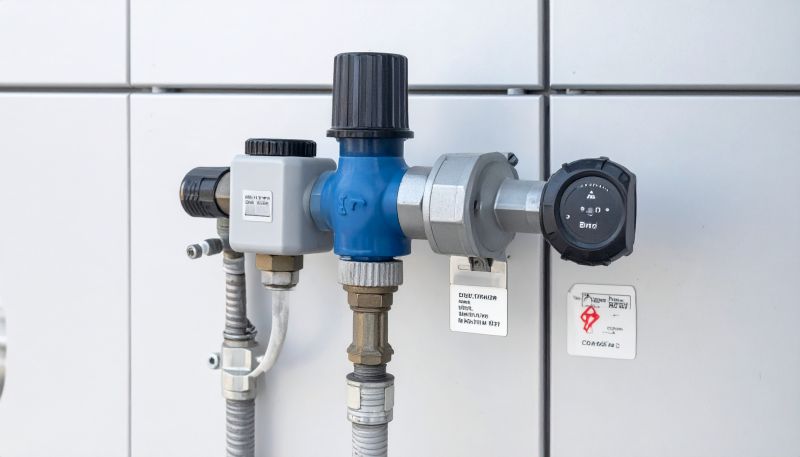
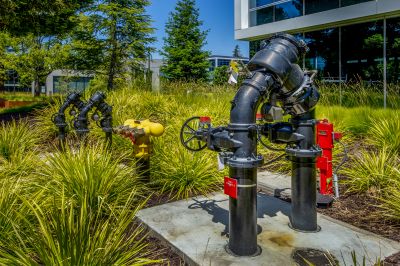
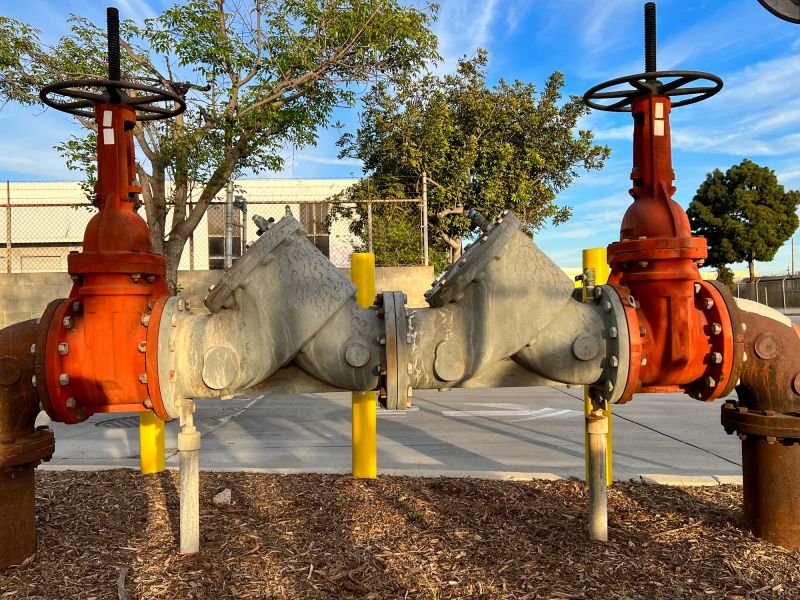
Understanding what backflow is and why plumbing testing is important helps homeowners grasp a critical aspect of maintaining a safe and reliable water supply. Backflow occurs when contaminated water reverses direction and flows back into the clean water system, potentially introducing pollutants or bacteria. This situation can happen due to pressure changes in the plumbing system, such as during heavy water use or repairs. Plumbing testing for backflow is essential because it identifies potential vulnerabilities in the system before they lead to health hazards or costly damage, ensuring that water remains safe for everyday use.
Many property owners search for information about backflow and plumbing testing in relation to specific concerns or plans. For example, properties that have irrigation systems, fire suppression systems, or industrial equipment often require regular backflow testing to meet safety standards. Additionally, homes with older plumbing or those undergoing renovations may need to verify that their systems are protected against backflow issues. These tests are also important for properties located in areas prone to pressure fluctuations or where local regulations mandate routine backflow prevention measures.
The types of properties that typically come up in discussions about backflow and plumbing testing include residential homes, commercial buildings, and multi-unit complexes. Residential properties may need testing if they have irrigation systems or other specialized plumbing. Commercial properties, such as restaurants or factories, often have more complex plumbing systems that require frequent testing to prevent contamination. Multi-family dwellings and apartment complexes also benefit from regular backflow testing to ensure the safety of shared water supplies. In all cases, local service providers are equipped to handle these tests, helping property owners stay compliant and maintain safe water systems.
For homeowners considering backflow testing, understanding the role of local pros is key. These professionals perform the necessary inspections and testing to detect any backflow issues, helping prevent potential health risks and plumbing damage. They can also advise on the installation of backflow prevention devices when needed. By working with experienced service providers, property owners gain peace of mind that their plumbing systems are functioning correctly and that their water supply remains safe. Connecting with local experts ensures that backflow concerns are addressed efficiently and in accordance with local standards, supporting the ongoing safety and integrity of the property’s water system.
Backflow prevention installation involves setting up devices to stop contaminated water from reversing into clean water supplies, which shares skills with plumbing testing and system inspections.
Water line inspection projects require careful planning and the use of specialized tools to identify potential backflow risks and ensure water safety standards are met.
Drain and sewer line testing involves checking for blockages and leaks that could contribute to backflow issues, making it relevant to plumbing testing services.
Cross-connection control projects focus on identifying and eliminating connections between potable and non-potable water sources, aligning closely with backflow prevention efforts.
Pressure testing for plumbing systems ensures proper flow and detects potential backflow conditions, utilizing similar techniques used in backflow testing.
Water supply system upgrades often require assessment and testing to prevent backflow, involving planning and tools common to backflow prevention and plumbing inspections.
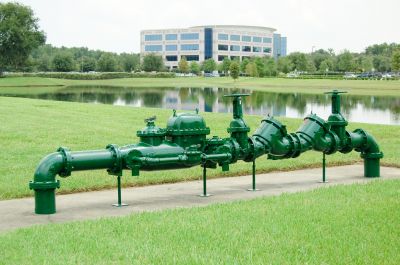
When evaluating service providers for backflow testing, it’s important to consider their experience with similar projects. An experienced contractor will be familiar with the specific requirements involved in testing and maintaining backflow prevention devices, ensuring that the work is performed accurately and efficiently. Homeowners should look for local contractors who have a proven track record in handling plumbing testing tasks related to backflow, as this can help reduce the risk of overlooked issues or compliance concerns. Gathering information about their past work can provide insight into their familiarity with local plumbing systems and the standards that need to be met.
Clear written expectations are essential when comparing backflow testing services. Homeowners should seek out providers who can offer detailed descriptions of the testing process, what the service includes, and any follow-up work that might be necessary. Having this information in writing helps prevent misunderstandings and ensures that both parties are aligned on the scope of work. Asking for a transparent outline of what to expect during the testing can also facilitate better communication and make it easier to evaluate whether a particular service provider’s approach aligns with the homeowner’s needs.
Reputable references and effective communication are key factors in selecting a reliable service provider. Homeowners are encouraged to ask for references or reviews from previous clients who have had similar backflow testing performed. This feedback can reveal the contractor’s professionalism, reliability, and quality of work. Additionally, good communication-such as responsiveness to questions and clarity in explanations-can make the process smoother and more predictable. Choosing a local contractor who demonstrates transparency and attentiveness can help ensure that the backflow testing is completed correctly and that any concerns are addressed promptly.
Property owners often search for what backflow is and why plumbing testing is important when they are planning practical projects around their homes and businesses. Local pros provide Backflow Testing services for everyday jobs and straightforward project options.
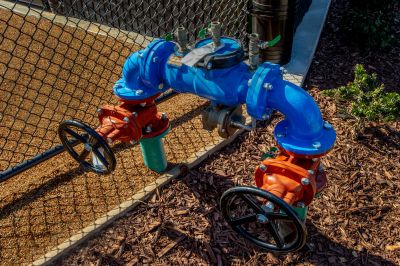
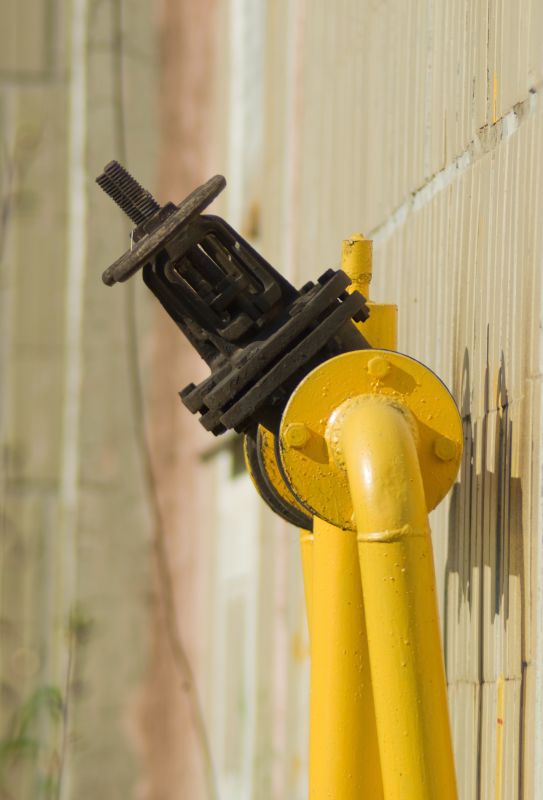
Understanding what backflow is and why plumbing testing is important can help property owners in the area ensure their water systems remain safe and functional. Backflow occurs when contaminated water flows backward into the clean water supply, potentially introducing pollutants or bacteria into the drinking water. This situation can happen due to pressure changes or plumbing issues, especially in homes or businesses with complex water systems. Regular plumbing testing by local contractors can identify and address backflow risks before they lead to costly repairs or health concerns, making it a practical step for maintaining a safe water supply.
Property owners often look into backflow testing services to protect their families, employees, and neighbors. Local service providers are equipped to perform the necessary inspections and testing to detect any backflow problems early. This proactive approach can help prevent water contamination and ensure compliance with local regulations. Whether for a residential property or a commercial site, connecting with experienced plumbing professionals can provide peace of mind and help keep water systems running smoothly.
What is backflow in plumbing? Backflow occurs when contaminated water flows backward into the clean water supply, potentially causing health hazards. Plumbing testing by local contractors helps identify and prevent backflow issues before they become serious problems.
Why is backflow testing important? Backflow testing ensures that backflow prevention devices are functioning correctly, protecting water quality and safety. Regular testing by experienced service providers helps maintain a safe and reliable plumbing system.
How do plumbing professionals test for backflow? Local contractors perform specialized tests on backflow prevention devices to verify they are working properly. This process helps detect any malfunctions that could allow contaminated water to flow into the drinking water supply.
What are the risks of not testing for backflow? Failing to test for backflow can lead to water contamination, health risks, and potential violations of local water safety regulations. Professional backflow testing helps prevent these issues by ensuring devices are functioning correctly.
How often should backflow testing be performed? The recommended frequency varies depending on local regulations and the type of plumbing system, but generally, annual testing by qualified service providers is advised to ensure ongoing protection against backflow problems.
Understanding backflow prevention - property owners can learn how backflow issues might affect their water supply and seek testing services to ensure proper prevention measures are in place.
Scheduling regular plumbing tests - arranging routine backflow testing with local contractors helps maintain water safety and prevents potential contamination.
Identifying backflow risks - homeowners can evaluate their property's plumbing setup to spot vulnerabilities that require professional testing and correction.
Ensuring compliance with plumbing standards - property owners can work with local service providers to verify that their plumbing systems meet safety regulations through backflow testing.
If you are thinking about what backflow is and why plumbing testing is important for a property, this guide is meant to help you understand this topic, the typical project types, and how different options might fit your plans.
When you are ready, you can use the quote form on this page to share a few details about your project. From there, local pros can review the basics and follow up with options that match what you have in mind.